
What My Mountain Biking Backpack Taught Me About SQL Server Management
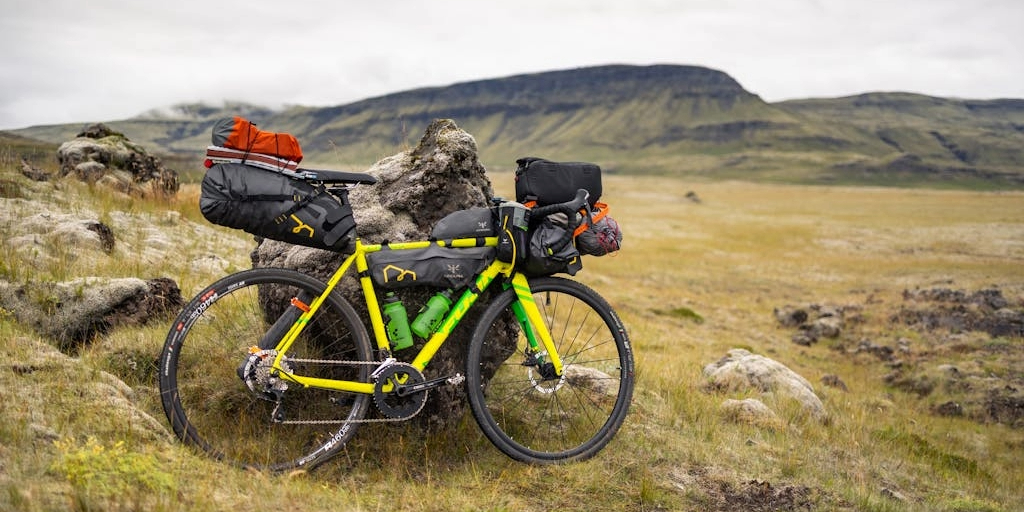
Last weekend, I hit the trails for a mountain bike ride. As I was packing my gear, it struck me how my pre-ride preparation is similar to managing our banking clients’ SQL Server environment. Both require the right tools, proper planning, and backup systems when things go wrong.
The Essential Backpack: Your SQL Server Toolkit
Just like I never hit the trails without my backpack, you shouldn’t manage SQL Server without the right tools. My pack contains everything I might need during a ride—and your SQL environment needs the same thoughtful preparation.
Water Supply = Maintenance Plans. The water in my pack keeps me hydrated throughout the ride. In SQL Server, your maintenance plans serve the same vital function. They keep your databases healthy with regular backups, statistics maintenance, and consistency checks. Without proper hydration on the trail, I’ll struggle. Without solid maintenance plans, your database performance will suffer just as much.
First Aid Kit = Disaster Recovery Plan. As a former Scoutmaster, the motto “Be prepared” is still deeply ingrained in my perspective. I always carry a robust first-aid kit, including bandages, antiseptic, a SAM Splint, and other emergency supplies. Hopefully, I never need them, but when disaster strikes on a remote trail, that first aid kit becomes invaluable. Your DR plan works exactly the same way. You invest time creating restore procedures, testing failover scenarios, and documenting recovery steps. When a disk fails or corruption hits, that preparation saves the day. Hopefully you never need it, but if you do, you’ll be prepared.
Pre-Ride Check: Your Daily Monitoring Routine
Before every ride, I check tire pressure, brake function, and chain lubrication. This five-minute routine prevents many mechanical issues. Similarly, your daily SQL Server health checks catch problems before they impact users.
Strava App = Monitoring Tools. My Strava app tracks distance, elevation, time, and speed throughout the ride. It tracks trends, provides insights, and even predicts finish times. Your SQL monitoring tools serve the same purpose. They help track query performance, disk usage, and resource consumption. When something’s trending in the wrong direction, you get alerts before users start complaining.
The Right Tools for the Job
In mountain biking and in SQL Server, you need the right tools and the right resources to be successful.
My backpack toolkit includes a multi-tool, spare tubes, and a mini pump. Each is designed to help with specific problems I might encounter miles from the trailhead. Your SQL toolkit should be equally comprehensive: scripts for common tasks, backup utilities, performance analysis tools, and emergency procedures.
And, of course, I never ride without my phone. It can be a lifeline should I get stranded or worse, go OTB (over the bars). Likewise, your team needs to have someone to call when your key system has problems. Sure, they can Google for answers, but it’s far better to have an expert in the industry readily available to help.
Plan for Success
The key insight? Both mountain biking and database management require proactive thinking. Reactive approaches lead to painful experiences, whether you’re walking your bike home on a flat tire or explaining to executives why the core banking system is down.
After all, both mountain biking and database management are about reducing risk while maintaining peak performance. The difference is that when your SQL Server crashes, you can’t just walk home.
Want to work with The SERO Group?
Don’t let database surprises derail your operations. The SERO Group specializes in helping financial services organizations build resilient SQL Server environments that perform when it matters most. Ready to strengthen your database infrastructure? Get started with a complimentary consultation.
Recent Comments